data ownership
8 essays
Supabase Builds Your Backend — Not Your Back Office
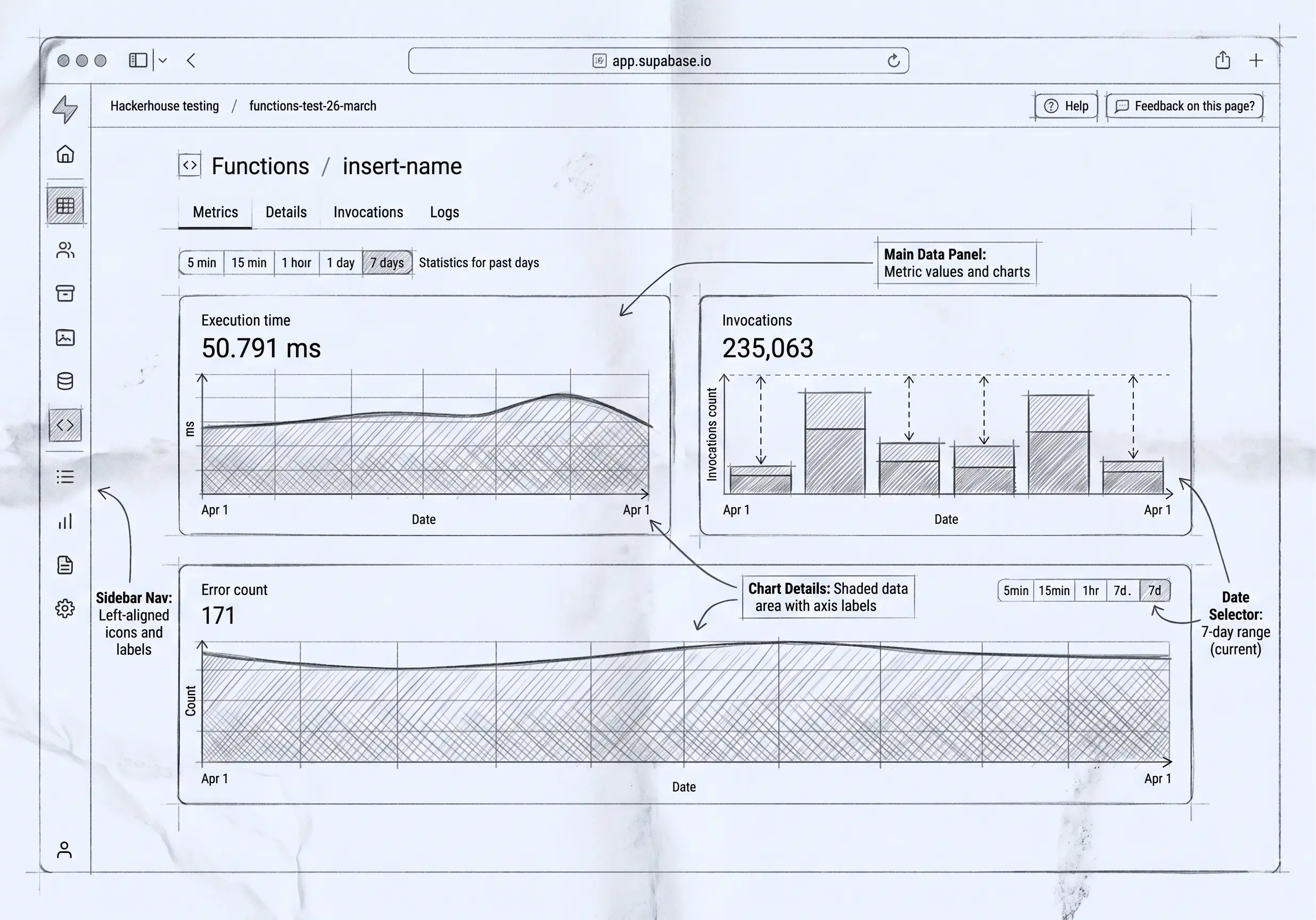
Supabase gives you a backend: Postgres, auth, APIs, storage, realtime. What it deliberately doesn't give you is the internal operational app your team runs the business on. Here's the gap, and the cleanest ways to fill it.

Can I Build Billing Software That Fits How My Business Actually Invoices?
Spreadsheets lose track of what's paid, and packaged billing tools assume an invoice shape and a workflow that aren't yours. The third path: start from a real invoicing and AR/AP foundation, shape it to how you bill, and own the database underneath.

Can I Build a CRM That Fits Exactly How My Business Sells?
Packaged CRM ships with someone else's sales process baked into the schema. Here's the third path between bending a rigid CRM and building one from scratch: start from a real CRM foundation, shape the model to how you actually sell — and own the database underneath.
Can I Build an HR System That Fits How My Company Actually Works?
Packaged HRIS tools assume an org structure, leave policies, and workflows that aren't yours — and spreadsheets lose people's data in a dozen tabs. The third path: start from a real HR foundation, shape it to your company, and own the database underneath.

Can I Build Inventory Software That Matches How My Stock Actually Moves?
Spreadsheets break and packaged inventory apps assume one warehouse, fixed units, and a stock flow that isn't yours. The third path: start from a real warehouse-and-procurement foundation, shape it to how your stock actually moves — and own the database underneath.

The Lock-In Test: 5 Questions to Ask Before You Sign a Low-Code Contract
Vendor lock-in is decided by architecture, not the contract — and the demo never shows you the exit. Five questions that reveal, before you commit, whether you'll actually own what you build on a low-code or no-code platform.
Only You Own Your Data: How dForge Avoids Low-Code Vendor Lock-In
Most low-code platforms own your data as much as you do. dForge doesn't. Your data and files live in a standard PostgreSQL database and a plain file store you can back up, move, and hand to your own developers — here's exactly where that line sits, and where it doesn't.
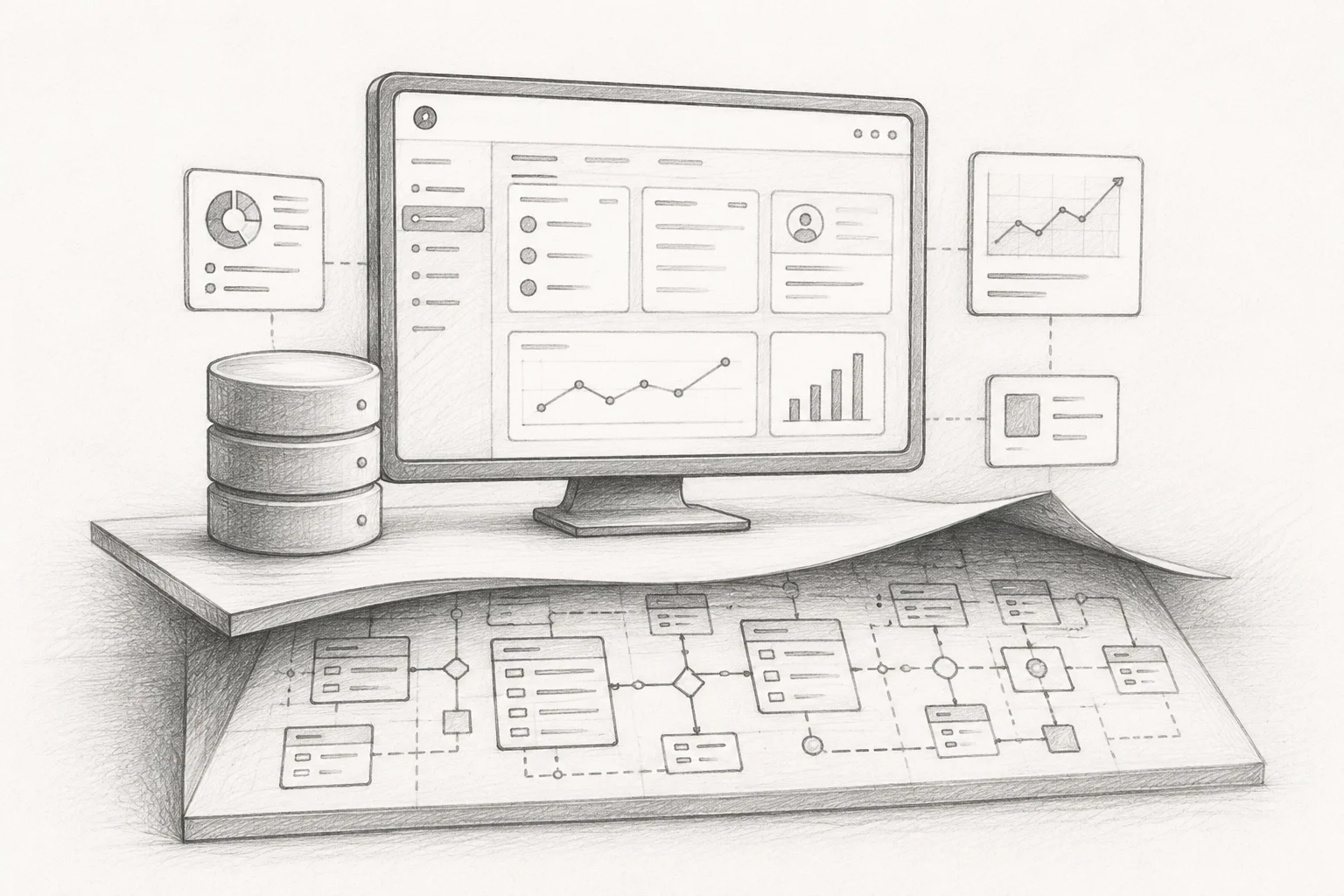
Configuring Your CRM Isn't the Same as Owning the Model
Packaged CRMs are good and highly configurable. The real limit a growing business hits is not a missing feature, but the gap between adjusting a vendor's model and owning your own.
Stop reading.
Start building.
Open a free workspace on dforge.app — see the platform behind the essays.