low-code
10 essays

Can I Build Billing Software That Fits How My Business Actually Invoices?
Spreadsheets lose track of what's paid, and packaged billing tools assume an invoice shape and a workflow that aren't yours. The third path: start from a real invoicing and AR/AP foundation, shape it to how you bill, and own the database underneath.

Can I Build a CRM That Fits Exactly How My Business Sells?
Packaged CRM ships with someone else's sales process baked into the schema. Here's the third path between bending a rigid CRM and building one from scratch: start from a real CRM foundation, shape the model to how you actually sell — and own the database underneath.
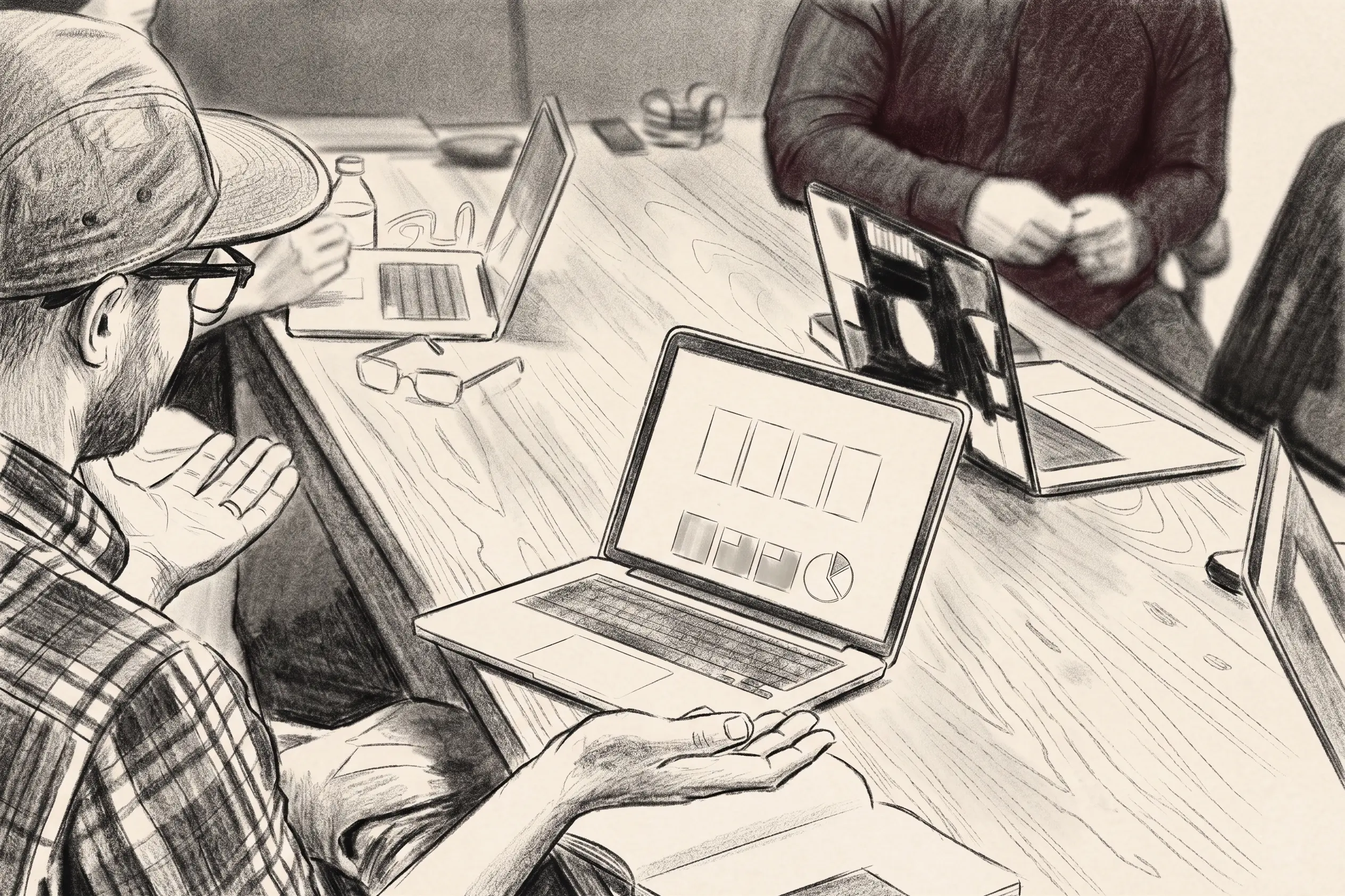
Can I Build an HR System That Fits How My Company Actually Works?
Packaged HRIS tools assume an org structure, leave policies, and workflows that aren't yours — and spreadsheets lose people's data in a dozen tabs. The third path: start from a real HR foundation, shape it to your company, and own the database underneath.
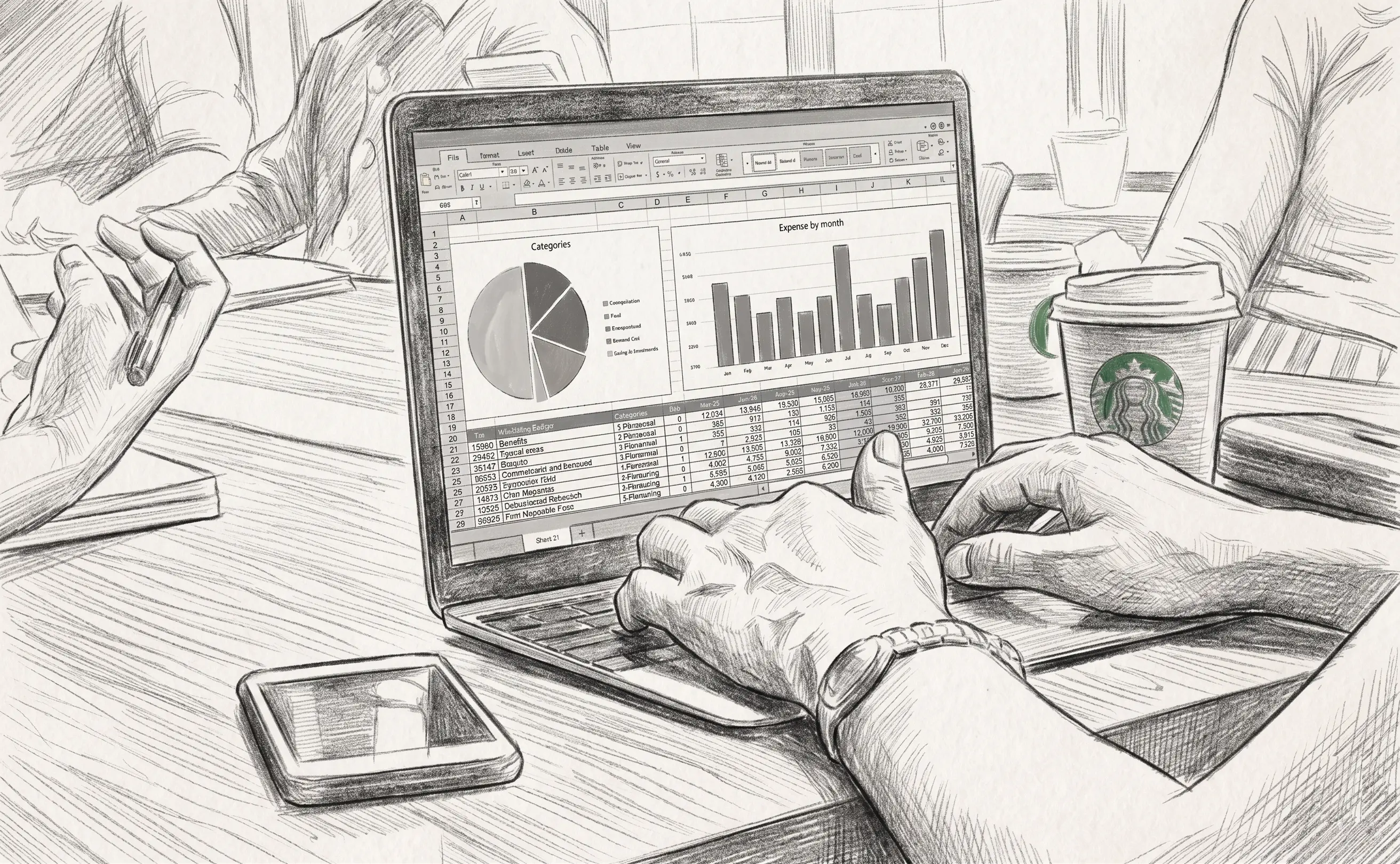
Can I Build Inventory Software That Matches How My Stock Actually Moves?
Spreadsheets break and packaged inventory apps assume one warehouse, fixed units, and a stock flow that isn't yours. The third path: start from a real warehouse-and-procurement foundation, shape it to how your stock actually moves — and own the database underneath.

The Lock-In Test: 5 Questions to Ask Before You Sign a Low-Code Contract
Vendor lock-in is decided by architecture, not the contract — and the demo never shows you the exit. Five questions that reveal, before you commit, whether you'll actually own what you build on a low-code or no-code platform.
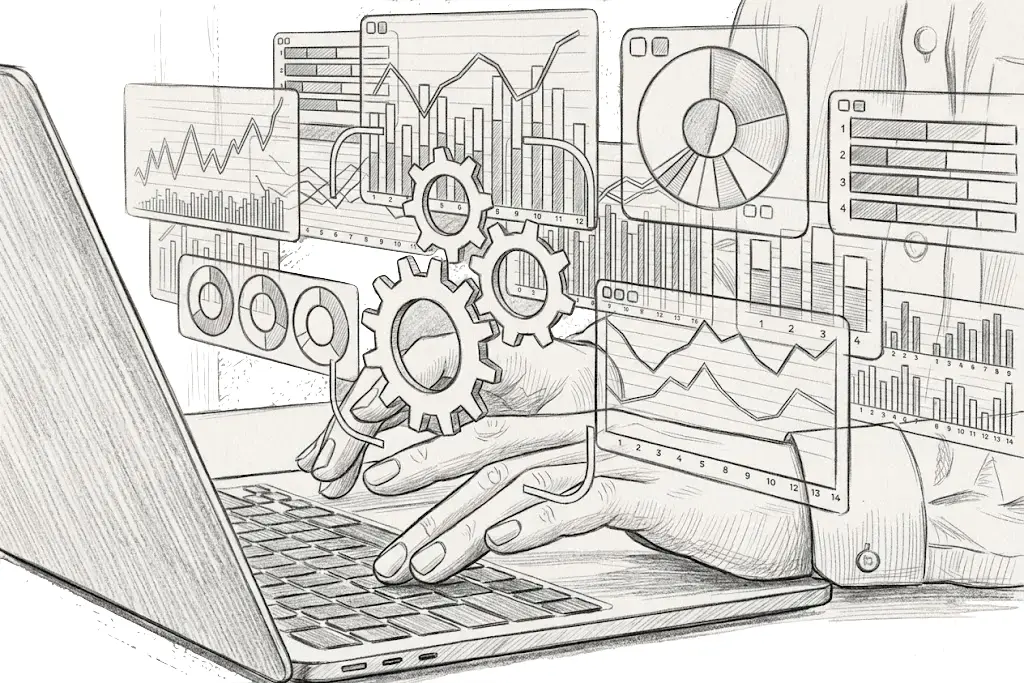
Only You Own Your Data: How dForge Avoids Low-Code Vendor Lock-In
Most low-code platforms own your data as much as you do. dForge doesn't. Your data and files live in a standard PostgreSQL database and a plain file store you can back up, move, and hand to your own developers — here's exactly where that line sits, and where it doesn't.

Generated vs Hand-Built: The Hidden Cost of UI Builders
UI builders like Retool, Budibase, and Tooljet let you draw screens by hand. dForge generates them from a model. Here's why that architectural difference decides how consistent, secure, and maintainable your app is two years from now.
Ein CRM zu konfigurieren heißt nicht, das Datenmodell zu besitzen
Verpackte CRM-Systeme sind gut und in hohem Maße konfigurierbar. Die eigentliche Grenze für ein wachsendes Unternehmen ist keine fehlende Funktion, sondern der Unterschied zwischen dem Anpassen eines fremden Modells und dem Besitz des eigenen.
KI macht den Bau interner Tools einfach. Sie am Leben zu erhalten, ist die eigentliche Herausforderung.
KI ermöglicht es den Menschen, die einen Prozess verstehen, auch die passenden Tools dafür zu bauen. Die eigentliche Herausforderung ist jedoch der langfristige Betrieb. Was ein internes Tool langlebig macht – und wie dForge dieses Problem löst.
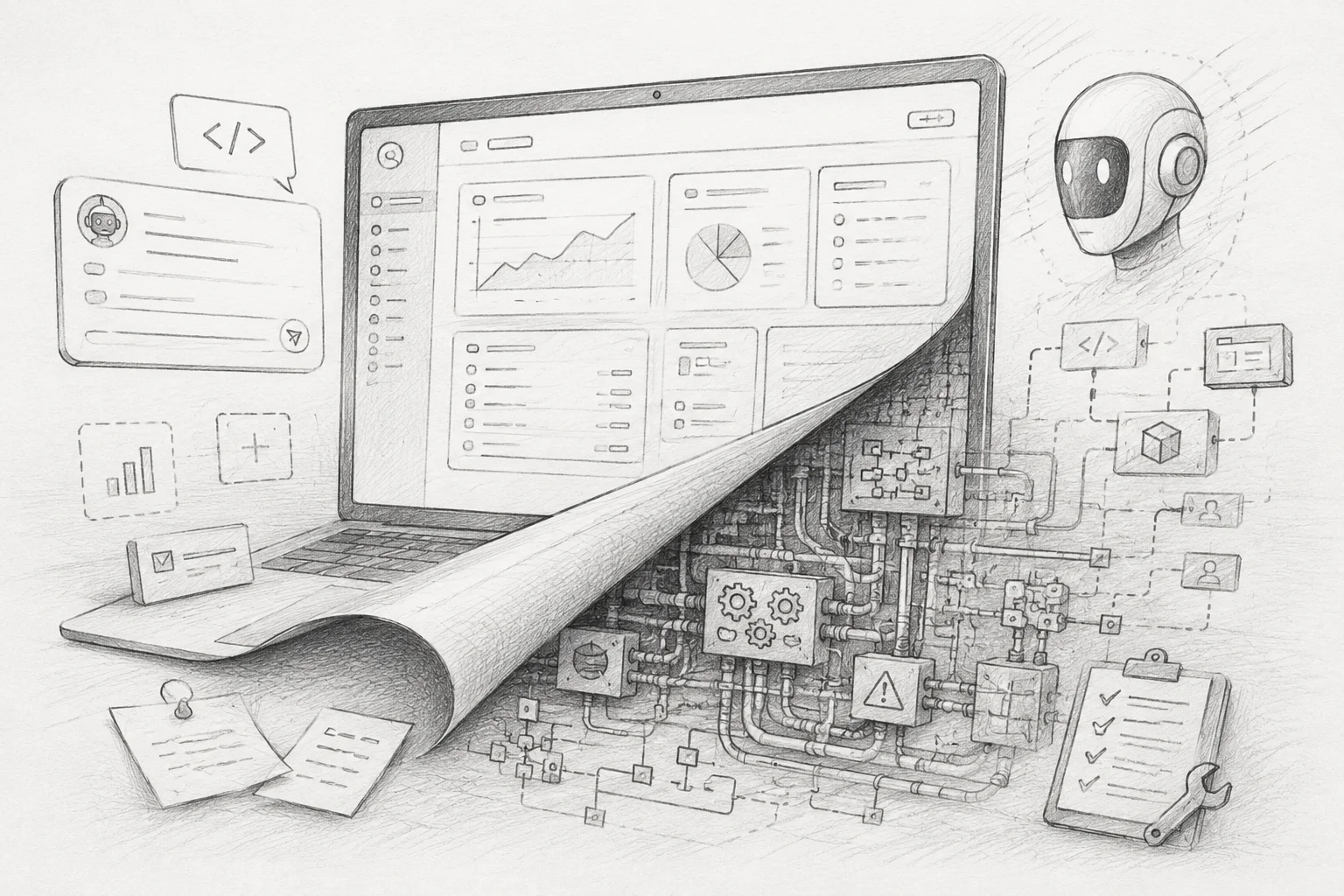
AI Made Internal Tools Easy to Build. Keeping Them Alive Is the Hard Part.
AI lets the people who understand a workflow build the tools that run it. The hard part is keeping them alive. What makes an internal tool durable, and how dForge approaches it.
Stop reading.
Start building.
Open a free workspace on dforge.app — see the platform behind the essays.